Table of Contents
Introduction
A smart ring represents one of the most intriguing shifts in the world of personal technology—an evolution where power, health awareness, and seamless connectivity are compressed into something no bigger than a wedding band. For years, wearable tech has been dominated by smartwatches and fitness bands, but the rise of smart rings marks a quiet revolution. These tiny devices are proving that advanced tracking and intelligent features don’t always need to sit on your wrist; sometimes, they fit more naturally on your finger.
What makes smart rings truly fascinating is the balance they strike between style and functionality. Unlike larger wearables, a smart ring blends effortlessly into everyday life. It looks like a piece of jewelry but works like a miniature health lab. Most people who switch to smart rings appreciate this subtlety. They don’t feel like they’re wearing technology, yet they benefit from constant insights about their body, routine, and overall well-being. The minimal design is intentional, meant to provide maximum data without demanding attention.
At the heart of a smart ring’s appeal is its quiet efficiency. These devices monitor key indicators such as heart rate, sleep patterns, recovery levels, and activity trends throughout the day and night. Because the sensors sit on the finger—where blood flow is more consistent than the wrist—they often deliver more accurate data than traditional trackers. This precision makes smart rings especially valuable for people who want real clarity about their sleep quality, stress patterns, and readiness levels. Instead of overwhelming users with constant notifications, a smart ring collects information silently and offers meaningful insights only when necessary.
Another interesting aspect of smart rings is their ability to enhance daily convenience. Some models allow contactless payments, gesture controls, safety alerts, or quick access to digital tools without pulling out a phone. This shift toward subtle interactivity reflects how modern tech is moving away from big screens and bulky designs. People want tools that help them without demanding attention, and smart rings meet that expectation perfectly.
Battery life is another area where smart rings shine. While smartwatches often require charging every day or two, many smart rings last almost a week on a single charge. This longer battery span makes them easier to use consistently, especially for sleep tracking. Users don’t need to worry about taking them off constantly to recharge, which creates a more complete and uninterrupted dataset.
What truly sets smart rings apart, though, is the kind of relationship they create between the user and their daily habits. They don’t just track—they guide. Over time, the ring learns patterns and behaviors, helping users refine their routines, improve rest, maintain balance, or push themselves at the right moments. It becomes a personal wellness companion that works quietly in the background.
As more people look for discreet, reliable, and stylish tech, smart rings are becoming the next major category of wearables. They represent a future where powerful technology feels natural to wear and effortless to use. This simplicity, accuracy, and elegance make the smart ring one of the most promising innovations in modern personal technology.
How Smart Rings Work: The Technology Inside
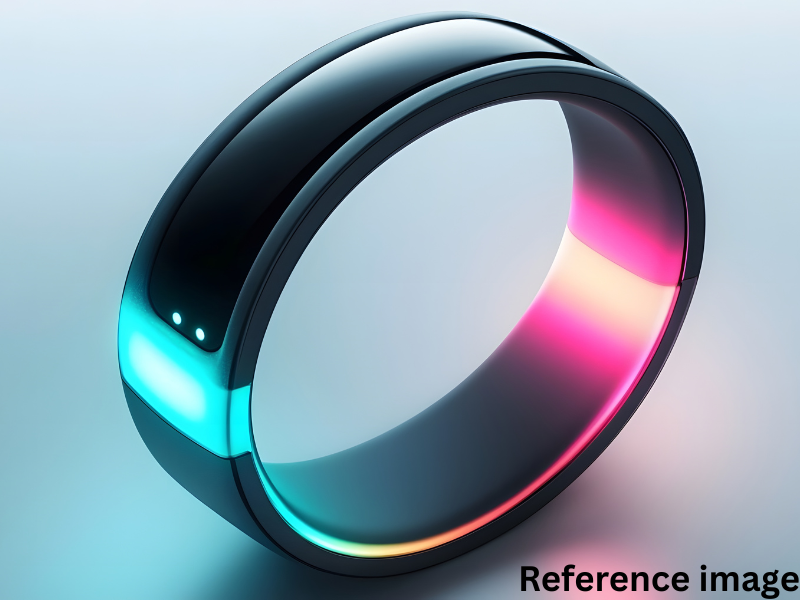
A smart ring may look simple on the outside, but its inner structure is designed with impressive precision. Every feature that feels effortless to the user comes from a cluster of tiny components working together constantly. At the core are optical sensors that sit close to the arteries in the finger, which makes the readings more stable compared to wrist-based devices. These sensors use light to measure changes in blood flow, allowing the ring to track heart rate, heart rate variability, and even the rhythm of sleep stages with strong accuracy.
Alongside optical sensors, modern smart rings include accelerometers and temperature sensors. The accelerometer helps detect movement, walking patterns, overall activity levels, and restlessness during sleep. Temperature sensors monitor subtle variations in the body’s thermal patterns—useful for recovery insights and understanding stress levels. When combined, these elements build a layered picture of how the body behaves throughout the day and night.
The data collected does not remain inside the ring. It syncs automatically to a connected app whenever the user brings the ring near their phone. The app processes thousands of data points and converts them into simple, actionable insights. This is where the real value appears. Users do not need to interpret raw numbers. Instead, the app gives daily readiness scores, sleep summaries, activity goals, and trend reports over weeks and months. This helps users see not just how they are doing today, but whether they are improving, stagnating, or slipping into unhealthy patterns.
Power management is another area where smart rings are engineered differently from traditional wearables. They are designed to function quietly for long periods without unnecessary battery drain. Most models use low-energy Bluetooth, minimal display output, and optimized sensor cycles to maintain efficiency. Some rings last four to seven days per charge, making them practical for continuous monitoring and long-term use.
Comfort is a deliberate part of the design. Because rings stay on even during sleep, workouts, and daily activities, they are crafted from skin-friendly materials like titanium, ceramic, or stainless steel. Their rounded shapes prevent irritation, while water-resistant coatings protect them during washing, rain, or sweat-heavy exercise sessions. The goal is to create a device so comfortable that the user forgets they are wearing it.
Functionally, the smart ring is more than a health tracker. Depending on the model, it can support features like contactless payments, digital authentication, emergency alerts, and gesture-based smart home control. These everyday conveniences are built on tiny circuits and carefully arranged antennas that allow the ring to interact with external systems securely and smoothly.
Why Smart Rings Are Becoming So Popular
Smart rings are gaining momentum because they fit into modern life with almost no friction. People are looking for tools that enhance their routine without adding complexity, and this is exactly where smart rings stand out. Unlike smartwatches, which can feel bulky or distracting, a smart ring stays unnoticed while doing the same—sometimes better—job of tracking health and daily activity. This subtle design appeals to users who want technology that blends with their lifestyle instead of dominating it.
A major driver behind their popularity is accuracy. Since the finger provides more stable blood flow than the wrist, sensors can produce cleaner data. This matters for sleep tracking, stress measurement, and heart-related insights. Users who have tried both categories often find smart rings give a clearer picture of their actual wellness patterns. As a result, the device feels less like a gadget and more like a tool they trust for long-term health decisions.
The market is also shifting toward wearables that require minimal interaction. Many people don’t want constant notifications or screens pulling their attention away from the moment. Smart rings operate silently. They collect data in the background and share it only when the user chooses to check the app. This low-interference approach aligns well with the growing interest in digital minimalism.
Aesthetics play a major role as well. Smart rings are designed to look like stylish accessories rather than obvious tech devices. They come in finishes that match casual wear, office attire, and even formal occasions. This versatility encourages daily use, which in turn leads to more consistent data and better long-term insights.
Another reason smart rings are growing fast is their long battery life. A week-long charge cycle fits naturally into people’s schedules and makes continuous monitoring easier. For users who prioritize sleep tracking, this is a huge advantage over devices that need daily charging.
At the same time, brands are positioning smart rings as wellness companions rather than fitness gadgets. The focus is on holistic health—sleep quality, stress levels, recovery, and long-term habits. As people become more health-conscious, the appeal of a device that offers clear, quiet guidance becomes stronger.
The technology ecosystem around smart rings is expanding too. Integration with smart home systems, access controls, gesture features, and digital authentication is making them more capable. Instead of being limited to health metrics, they are slowly becoming multi-purpose tools that streamline everyday interactions.
Lastly, social trends are contributing to their rise. Influencers, athletes, entrepreneurs, and wellness creators are publicly adopting smart rings and sharing their experiences. This visibility builds curiosity among people who are tired of bulky wearables or want something fresh, innovative, and practical.
All these factors combined make the smart ring one of the most promising wearables today. It answers modern needs—discreet design, accurate tracking, long battery life, and effortless use—while offering a glimpse of the future where technology becomes more invisible yet more impactful.
Key Features That Make Smart Rings Stand Out
Smart rings combine several advanced functions into a compact, easy-to-wear form, and these features are the reason they are becoming a preferred choice over larger wearables. Each capability is designed to support everyday life—whether someone wants deeper wellness tracking, improved productivity, or safer digital interactions.
One of the strongest features is advanced health monitoring. The optical sensors inside the ring track heart rate, heart rate variability, sleep quality, and activity patterns with high precision. Many models offer detailed sleep stage analysis, showing light, deep, and REM cycles along with restlessness and recovery trends. This helps users understand not only how long they slept but how well they slept. Some rings also include continuous temperature tracking, which highlights stress changes, fatigue levels, or early signs of illness.
Stress and recovery insights are another notable strength. Smart rings gather data quietly throughout the day and translate it into readiness scores or balance indicators. These insights show whether the user is recovered enough for a heavy workout, needs rest, or should adjust their daily tempo. The guidance feels supportive rather than overwhelming, making it practical for users who want steady improvement without constant manual tracking.
Activity tracking is built with simplicity in mind. Instead of pushing aggressive goals, smart rings monitor steps, movement patterns, and calorie burn in a subtle way. They help users stay active without pressuring them with notifications. This works well for people who prefer calm, long-term habit building.
Many models include gesture controls, which add convenience without needing a screen. Simple finger movements can be used to trigger a command—playing music, switching slides, controlling smart home devices, or receiving small alerts. These interactions make everyday moments smoother and reduce the need to reach for a phone.
Security and authentication features are becoming a defining element too. Some smart rings support digital key functions, allowing users to unlock doors, cars, or devices with a tap. A few also explore biometric authentication, using the user’s unique physiological signals as a secure identity marker. This approach keeps personal data safer and reduces reliance on passwords.
Contactless payments are another important capability. With NFC-enabled rings, users can make small transactions effortlessly, especially useful during travel, workouts, or situations where holding a phone or wallet is inconvenient.
Water resistance and rugged build quality add to the practicality. Smart rings are designed for everyday wear—during workouts, at work, or even in the shower. Materials like titanium or ceramic ensure durability without compromising comfort.
Battery performance remains a major highlight. Most rings last several days on a single charge, enabling round-the-clock tracking without interruptions. This long battery life provides a complete wellness picture that other wearables sometimes miss.
These combined features make smart rings a balanced package—powerful enough for meaningful insights yet minimalist enough to fit smoothly into daily life. They focus on what matters most to users: consistency, accuracy, comfort, and convenience.
Benefits of Using a Smart Ring in Daily Life
A smart ring delivers value not just through technology but through how naturally it fits into everyday routines. Its benefits extend across health, productivity, convenience, and long-term lifestyle improvement. Unlike devices that demand attention, a smart ring supports the user quietly and continuously, making it one of the most user-friendly wearables available today.
One of the biggest advantages is consistent wellness awareness. Because the ring stays on almost 24/7, it captures a full picture of sleep, stress, and recovery. This steady flow of data helps users understand when their body needs rest, when they are at peak readiness, and how small changes—like hydration, bedtime, or screen habits—affect overall health. Over time, this leads to more informed decisions and healthier routines.
Daily energy management becomes simpler as well. Many smart rings provide a readiness score every morning, giving users a snapshot of how prepared their body is for the day. This helps in planning workouts, managing workloads, and avoiding burnout. Instead of relying on guesswork, users can base their schedule on how recovered they actually are.
Stress reduction is another meaningful benefit. The ring tracks heart rate variability and other physiological signals to show how the body responds to different situations. Recognizing these patterns early makes it easier to adjust habits, take breaks, or practice relaxation techniques before stress becomes overwhelming. It’s an effortless way to maintain balance throughout the day.
The convenience factor is equally strong. With gesture controls, contactless payments, and digital access features, a smart ring minimizes dependency on phones for quick tasks. Users can unlock doors, navigate presentations, change music tracks, or confirm small transactions with simple movements. These small conveniences accumulate into smoother, faster daily interactions.
Its subtle design enhances comfort and confidence. Unlike larger wearables that might feel out of place in formal settings, a smart ring blends naturally with all outfits and occasions. This encourages continuous use, which in turn provides more complete and accurate insights. The ring feels more like an accessory than a gadget, making it easy to wear from morning to night without any effort.
Battery longevity contributes to peace of mind. Longer charge cycles mean users don’t have to remove the ring frequently, especially during the night, when sleep tracking is at its most valuable. This creates a more complete picture of wellness and allows uninterrupted data collection.
For fitness enthusiasts, the ring adds a layer of helpful analysis. It tracks strain, movement consistency, and recovery levels, helping users avoid overtraining or ineffective workouts. For beginners, it encourages gradual improvement without overwhelming them with complicated dashboards.
Professionals benefit from discreet functionality. Without audible alerts or screen distractions, the ring supports productivity by keeping the focus on work while still monitoring essential metrics in the background. It becomes a companion that works without interrupting.
Overall, a smart ring enhances life in subtle yet powerful ways. It helps users stay aware, balanced, and engaged with their health while supporting daily activities through its streamlined, minimalist design.
Challenges and Limitations of Smart Rings
While smart rings offer impressive convenience and accurate tracking, they also come with certain limitations that users should understand before choosing them over other wearables. These challenges don’t reduce their value, but they help set realistic expectations about what a smart ring can and cannot do.
The first limitation is feature density. Because of their compact size, smart rings cannot house the same number of sensors found in smartwatches. This means features like large displays, GPS tracking, or advanced workout metrics are usually absent. For users who rely heavily on on-screen navigation or detailed fitness tracking, a smartwatch may still feel more complete.
Another challenge is fit and sizing. A smart ring must sit snugly on the finger for accurate readings. If the user chooses an incorrect size, the data quality may drop significantly. Many brands solve this by offering sizing kits before purchase, but users still need to adjust to wearing a ring all day, especially if they’re not used to jewelry. In rare cases, long-term wear can cause discomfort during intense physical activities or in hot weather.
Battery life, although strong compared to smartwatches, still requires periodic charging. Some users may forget to charge their ring or remove it at the wrong time, interrupting sleep tracking or long-term data patterns. Since smart rings are at their best when worn continuously, any gaps in use can reduce the accuracy of long-term insights.
Data interpretation varies across brands. Each company uses its own algorithms to convert sensor input into readiness, sleep, or stress scores. This means the results can differ from one device to another, even with similar data. Users switching between brands might experience inconsistencies that require some adaptation. It’s important to treat the scores as guidance rather than absolute medical measurements.
Smart rings also rely heavily on companion apps. While this keeps the ring itself minimal, it means users need to open the app frequently to understand their metrics. Those who expect detailed data directly on the device might find this workflow less convenient. App quality varies, and updates occasionally change the user experience or the way metrics are displayed.
Durability is another factor. Even though most smart rings are built from strong materials like titanium or ceramic, they are not immune to scratches, impact damage, or wear-and-tear. Users who work with heavy tools, lift weights without gloves, or engage in rugged outdoor activities may need to be cautious. Rings are more exposed to direct contact than wrist devices.
Price can also be a barrier. Premium smart rings often cost as much as or more than mid-range smartwatches. For some users, paying a similar amount for fewer visible features may require careful consideration. Additionally, a few brands have subscription models, adding recurring monthly costs.
Lastly, smart rings do not replace medical devices. Although they provide helpful insights, they are not designed to diagnose health conditions or offer clinical accuracy. Users looking for medical-grade monitoring should use them as supportive tools rather than primary diagnostic solutions.
Despite these challenges, smart rings remain a strong choice for people who prioritize subtle design, continuous tracking, and intelligent wellness support. Understanding the limitations ensures users can enjoy the benefits without unrealistic expectations.
How Smart Rings Compare to Other Wearables
Smart rings belong to the same family of personal tech as smartwatches and fitness bands, but the experience they offer is different in several meaningful ways. Understanding these differences helps users decide when a smart ring is the better choice and when other wearables may be more suitable.
One of the clearest distinctions lies in size and comfort. Smartwatches offer large screens, multiple buttons, and extensive menus, but they can feel bulky, especially during sleep or long work sessions. Fitness bands are smaller but still noticeable. A smart ring, by contrast, feels almost weightless and blends into daily life. This makes it ideal for users who want continuous tracking without wearing something obvious on their wrist.
In terms of accuracy, smart rings often outperform wrist-based devices in sleep and recovery metrics. The finger provides stronger, more stable blood flow, allowing sensors to pick up clearer signals. This leads to more reliable heart rate, heart rate variability, and temperature readings. For users focused on wellness optimization, this improved precision is a major advantage.
However, wrist wearables dominate when it comes to real-time features. Smartwatches come with GPS, detailed fitness tracking, music controls, message alerts, and numerous third-party apps. They serve as miniature smartphones and are better suited for users who prefer an interactive device. Fitness bands also provide quick on-screen stats and accessible workout modes. Smart rings do not match this level of real-time functionality, largely because they prioritize subtlety over direct interaction.
Battery performance also differs. While some smartwatches require daily charging, smart rings typically last several days due to their screen-free design. This makes them easier to use continuously, especially at night. Fitness bands sit somewhere in the middle, offering moderate battery life but still needing more frequent charging than a ring.
In appearance, smart rings lead in minimalism. They resemble normal jewelry and suit formal settings, meetings, or social occasions without drawing attention. Smartwatches and bands convey a tech-focused look, which not everyone prefers. For users who value aesthetics, the ring’s discreet profile is a clear advantage.
Cost varies across categories. Premium smartwatches offer the most features but also carry the highest price tags. Smart rings cost less than high-end watches but more than basic fitness bands. Their value depends on what the user needs: silent health tracking or full digital functionality.
Another important difference is use-case clarity. Smartwatches excel in productivity and on-screen information. Fitness bands specialize in workout-focused metrics. Smart rings deliver their best value in health awareness, recovery insights, and stress analysis. They shine in long-term tracking rather than immediate interaction.
In practical terms, many people combine a smartwatch and a smart ring—using the ring at night and during calm routines, and the watch during workouts or workdays. This combination provides the depth of a smart ring with the versatility of a smartwatch.
Overall, smart rings stand out as discreet wellness companions that focus on accurate insights, long-term health patterns, and effortless daily use. Their strengths complement those of larger wearables, giving users more choice based on their lifestyle and priorities.
Choosing the Right Smart Ring: What to Look For
Selecting a smart ring requires more than comparing designs. Each model offers a different balance of sensors, features, and long-term usability, so it’s important to understand what matters most before investing. With several brands competing in the wearable space, a thoughtful approach helps ensure the ring matches your lifestyle and expectations.
The first consideration is sensor accuracy. If your primary goal is health monitoring, look for models with proven heart rate, HRV, temperature, and sleep-tracking capabilities. Rings with consistent optical sensors, multi-day trend analysis, and reliable companion apps deliver the most meaningful insights. Check whether the ring uses finger-based temperature readings, as this adds depth to stress and recovery patterns.
Battery life is another critical factor. Some rings last four days, while others stretch to a full week. Choose according to your routine. If you want uninterrupted sleep tracking, longer battery performance is essential. Charging convenience also matters—magnetic docks and quick-charge options reduce downtime and improve long-term usability.
Comfort and sizing should be evaluated carefully. A smart ring must fit snugly but comfortably to ensure accurate readings. Brands that provide sizing kits before purchase help avoid fit-related issues. Look at the ring’s weight, thickness, and material. Titanium and ceramic models tend to be durable, lightweight, and skin-friendly, making them suitable for all-day wear.
Next, consider the feature set. If you want more than health tracking, look for rings that support gesture controls, contactless payments, or digital access functions. Not every user needs these extras, but they can significantly enhance daily convenience. On the other hand, if you prefer a simple wellness tool, choosing a model focused solely on health insights may offer better value.
Compatibility plays a major role. Ensure the ring integrates smoothly with your smartphone and any health apps you already use. Some brands offer deeper analytics or personalized coaching, while others prioritize minimalism. Look for clear, data-rich dashboards that are easy to understand and don’t overwhelm you with unnecessary details.
Durability is important for users with active lifestyles. Water resistance allows the ring to stay on during workouts, showers, and daily chores. If you work with heavy equipment or weights, choose a ring that can handle impact, or consider protective sleeves designed for added safety.
Subscription models should be reviewed before buying. Certain brands require monthly fees to access full features, while others offer everything upfront. Calculate the long-term cost to avoid surprises later. A one-time purchase may be more appealing for budget-conscious users, but subscription-supported rings often offer richer analytics.
Style and design matter more than people realize. Since the ring becomes a part of your daily appearance, select a finish and shape that suits your taste. Minimal, jewelry-like designs tend to blend well with different outfits and occasions.
Lastly, consider after-sales support and updates. Reliable brands frequently improve their apps, add new features, and maintain strong customer support. This ensures the ring remains useful for years, not just months.
Choosing the right smart ring is about aligning its strengths with your needs—whether that’s deep wellness tracking, convenience, aesthetic appeal, or a balanced combination of all three. A thoughtful selection leads to a smoother experience and more meaningful long-term value.
Future Trends: Where Smart Rings Are Heading Next
Smart rings are still in the early stages of their technological evolution, and the coming years are expected to bring major advancements that push them far beyond basic health tracking. As innovation accelerates, these devices are set to become more intelligent, more integrated, and more essential to everyday life. Understanding these upcoming trends gives a clearer view of how significant smart rings may become in the broader wearable ecosystem.
One of the biggest areas of development is advanced biometrics. Brands are exploring sensors capable of detecting hydration levels, glucose trends, blood oxygen changes, and early illness indicators. While these features are still in research or early testing stages, they point toward a future where smart rings function as compact wellness scanners. Instead of checking multiple devices or waiting for symptoms to appear, users may receive early signals that encourage preventive care.
AI-powered health predictions will also play a major role. Instead of simply reporting sleep data or heart rate patterns, smart rings will begin interpreting combinations of metrics to predict fatigue, performance dips, or stress spikes before they occur. This evolution will shift wearables from being reactive tools to proactive wellness partners, offering suggestions tailored to individual biological rhythms rather than general templates.
Integration with smart environments is another trend gaining momentum. As homes, cars, and workplaces move toward seamless automation, smart rings may act as personal identity keys. Doors could unlock automatically when the ring is detected. Devices might adjust temperature, lighting, or settings based on the user’s presence. Even digital payments or login authentications could become more secure and fluid through biometric validation built directly into the ring.
Gesture-based interaction is expected to grow more sophisticated. Current models offer simple swipe or tap gestures, but future rings may support advanced motion sensing that allows users to control screens, presentations, music, or even AR interfaces with precise finger movements. This could drastically reduce dependency on physical touchscreens, especially in environments where hands-free operation is preferred.
Smaller and more efficient chip designs will enhance battery life and performance. As manufacturers squeeze more power into tiny components, rings can track richer data while lasting longer between charges. Some companies are exploring solar-assisted charging or body-heat energy harvesting, which could eventually reduce or eliminate the need for traditional chargers.
Customization will expand as well. Users may be able to choose ring modules or replaceable outer shells to match outfits, moods, or occasions. Software personalization will also increase, allowing deeper control over what data is shown, how insights are delivered, and which features take priority.
Collaboration between healthcare providers and wearable brands is another likely development. With proper privacy controls, smart rings could help doctors monitor recovery, sleep disorders, stress patterns, or early warning signs of chronic conditions. This could make routine health management more accessible, especially for people who struggle to track their own wellness consistently.
As all these trends converge, smart rings are poised to become more than just trackers. They are heading toward becoming compact personal companions—devices that understand the body, support daily tasks, enhance security, and interact seamlessly with the digital world. Their future lies in offering powerful capabilities without compromising the simplicity and comfort that make them appealing today.
Conclusion: Why Smart Rings Represent the Next Wave of Wearable Innovation
Smart rings mark a significant shift in how people interact with personal technology. Instead of relying on screens, bulky designs, or constant notifications, they focus on subtlety, accuracy, and long-term wellness. Their ability to blend into everyday life while delivering valuable insights makes them stand out in a world overloaded with digital noise.
The compact design hides a sophisticated network of sensors that continuously monitors sleep, recovery, stress, and activity without interrupting daily routines. This low-effort, high-awareness model appeals to users who want reliable health tracking without the weight or distraction of larger wearables. By sitting on the finger—an ideal spot for consistent physiological readings—smart rings offer clarity that many wrist devices struggle to match.
Their appeal extends beyond health. Features like gesture controls, secure authentication, contactless payments, and smart home integration make them practical tools for productivity and convenience. With long battery life and discreet aesthetics, they fit naturally into both casual and professional environments.
While smart rings have limitations, especially in real-time features or display-based interactions, their strengths lie in the areas users increasingly care about: accurate wellness data, passive tracking, comfort, and minimalism. They work quietly in the background, allowing people to stay present while still benefiting from actionable insights.
As innovation accelerates, smart rings are expected to evolve into even more capable devices—offering advanced biometrics, deeper AI-driven guidance, seamless connectivity with digital ecosystems, and more powerful sensing technologies. They are shaping a future where health monitoring becomes proactive, where security becomes effortless, and where technology becomes almost invisible.
In a rapidly changing wearable landscape, the smart ring stands out as a refined, modern choice—an elegant blend of technology and everyday simplicity. It represents not just another gadget but a meaningful step toward a future where personal tech feels natural, intuitive, and integrated into life rather than added on top of it.
Check Price-
Frequently Asked Questions (FAQs) About Smart Rings
1. What exactly does a smart ring track?
Most smart rings track heart rate, heart rate variability, sleep stages, temperature changes, daily activity, and stress patterns. Some models also support gesture controls, NFC payments, and digital authentication.
2. Are smart rings more accurate than smartwatches?
For sleep and recovery insights, yes. The finger provides more stable blood flow than the wrist, so smart rings often deliver cleaner, more consistent physiological readings.
3. Can you wear a smart ring all day and night?
Yes. Smart rings are designed for continuous wear. They’re lightweight, comfortable, and water-resistant, making them suitable for workouts, sleep, routine tasks, and even showers.
4. Do smart rings need to be connected to a phone?
They collect data independently, but you need a phone to sync and view insights. Apps convert the raw metrics into clear explanations, reports, and trends.
5. How long does a smart ring’s battery last?
Most models last four to seven days depending on usage and features. Because they don’t have screens, they conserve power more efficiently than smartwatches.
6. Are smart rings durable?
Smart rings are made from materials like titanium, ceramic, or stainless steel. They are generally scratch-resistant and water-resistant, but heavy impact or high-pressure activities may cause wear over time.
7. Can you use a smart ring for workouts?
Yes, but the tracking style is different. Smart rings focus on movement, strain, and recovery rather than GPS routes or real-time workout metrics. They’re best for long-term analysis rather than active monitoring.
8. Do smart rings require subscriptions?
Some brands offer full features only through a monthly subscription, while others provide everything upfront. Reviewing long-term costs before buying is important.
9. Can a smart ring replace a medical device?
No. Smart rings provide helpful wellness insights, but they are not medical-grade tools. They support healthier routines but cannot diagnose conditions.
10. Who should consider buying a smart ring?
Smart rings are ideal for people who want accurate sleep and wellness tracking, prefer minimal tech on the body, value comfort, and want a device that works quietly without constant interaction.